
Key Takeaways for BAE-Focused Suppliers
- BAE Systems leads US defense manufacturing across naval, land, air, and space programs, including AMPV full-rate production and F-35 components.
- Core supplier requirements include AS9100D, ITAR, ISO 9001 certifications, MIL-STD specs, and BAE quality codes such as NSS-9001.
- Supplier registration follows five stages: portal setup, pre-qualification, quality audit, compliance submission, and on-site evaluation.
- Required capabilities include tight tolerances, exotic materials, scalable production, and integrated machining, fabrication, and finishing services.
- Partner with Precision Advanced Manufacturing for AS9100D and ITAR-certified production proven with SpaceX and Blue Origin to support BAE’s 2026 demand.
BAE Systems US Defense Manufacturing Focus Areas
BAE Systems’ US manufacturing footprint spans four defense sectors that each demand specialized supplier skills and precise production control.
|
Sector |
Key Programs |
2026 Production Volumes |
Supplier Requirements |
|
Naval |
Type 26 frigates, submarine maintenance |
Jacksonville facility expansion |
Marine-grade materials, corrosion resistance |
|
Land |
AMPV, M777 howitzers |
240 additional AMPVs FY2025-27 |
Armor-grade steel, ballistic protection |
|
Air |
F-35 components, avionics |
Sustained production ramp |
Aerospace tolerances, lightweight alloys |
|
Space/Missiles |
Space Force satellites, tracking systems |
$1.2bn contract execution |
Space-qualified materials, extreme environments |
The AMPV program’s move to full-scale production with 240 additional units highlights BAE’s 2026 manufacturing tempo. Naval programs gain capacity from the Jacksonville shipyard’s new $250 million shiplift facility, while 155mm artillery output supports NATO stock requirements. These efforts rely on suppliers that can hold tight tolerances, work with exotic materials, and scale production without sacrificing quality.
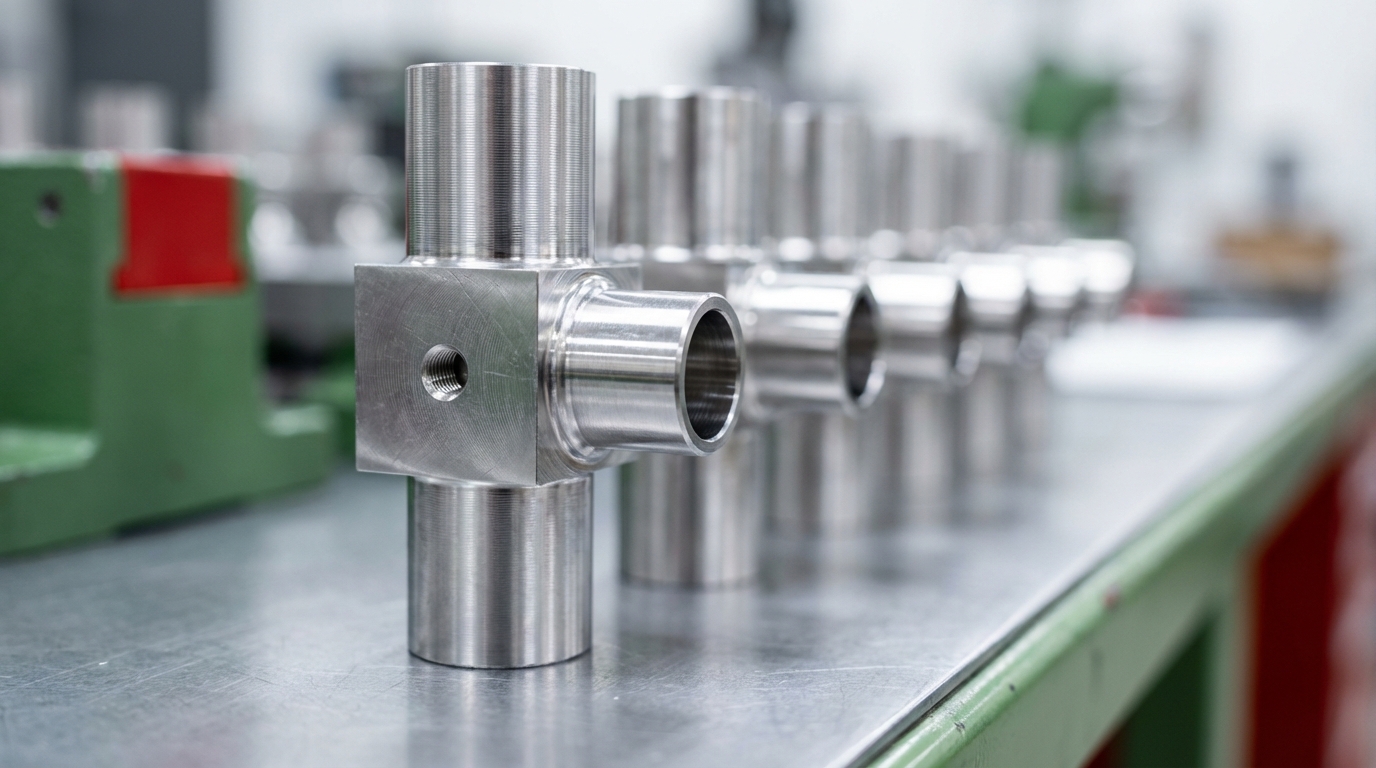
Precision Advanced Manufacturing’s multi-axis CNC equipment supports the complex geometries found in F-35 components. Our precision fabrication and welding teams support AMPV armor builds with strict thermal distortion control. Integrated finishing and kitting services reduce BAE’s supplier count by combining multiple manufacturing steps under AS9100D-certified and ITAR-compliant processes.
BAE Systems Supplier Standards and Certifications
BAE Systems applies strict expectations across quality, security, and technical performance, and suppliers must meet each area to stay qualified.
|
Requirement Category |
Specific Standards |
Documentation Required |
Precision AM Compliance |
|
Quality Management |
AS9100D, ISO 9001 |
Certification documents, audit reports |
✓ AS9100D, ISO 9001:2015 certified |
|
Security Compliance |
ITAR, DFARS |
Registration certificates, facility security |
✓ ITAR registered, secure facilities |
|
Technical Standards |
MIL-STD specifications |
Test reports, material certifications |
✓ Full traceability, inspection reports |
|
Quality Codes |
NSS-9001, BAE-specific codes |
Process documentation, validation |
✓ Comprehensive quality systems |
AS9100D defines aerospace quality management and extends ISO 9001 with configuration control, risk management, and product safety requirements. ITAR registration confirms compliance with International Traffic in Arms Regulations, which govern most US defense manufacturing. MIL-STD specifications set military rules for materials, processes, and testing.
BAE quality codes such as NSS-9001 add program-specific rules for processes, documentation, and validation. These codes keep output consistent across BAE’s global supply chain and protect traceability for mission-critical parts. Precision Advanced Manufacturing’s quality systems support these expectations with complete documentation, material certs, and inspection reports that cut rework and shorten audit prep.
For 2026, BAE places extra weight on cybersecurity resilience and supply chain security as component shortages continue. Suppliers must show strong cyber protection, secure communication channels, and contingency plans that keep production running. Our integrated manufacturing model reduces supplier handoffs while maintaining the security controls required for defense work.
BAE Systems Supplier Registration and Portal Steps
BAE Systems uses a five-step supplier registration flow that checks capabilities, compliance, and readiness for production work.
Step 1: Access BAE Systems Supplier Portal
Visit BAE Systems’ corporate website and open the supplier section. Create a company account and complete the initial registration forms. The portal then becomes the main hub for supplier messages, document uploads, and status updates.
Step 2: Submit Pre-Qualification Application
Complete the pre-qualification questionnaire with company background, manufacturing capabilities, quality certifications, and financial details. Include facility descriptions, equipment lists, and production capacity data. BAE uses this step to confirm basic fit before deeper review.
Step 3: Prepare for Quality System Audit
Organize certification records, process procedures, and quality data ahead of BAE’s audit. Confirm that AS9100D and ITAR documentation is current and easy to access. Plan facility tours and prepare technical presentations that show real manufacturing capability.
Step 4: Submit Compliance Documentation
Upload ITAR registration certificates, AS9100D and ISO 9001 certifications, and cybersecurity policies. Provide material traceability workflows, inspection procedures, and supplier quality manuals. Complete any security clearance paperwork required for classified programs.
Step 5: Host On-Site Evaluation and Gain Approval
Welcome BAE evaluation teams for a full review of processes, quality systems, security controls, and capacity. Show technical strength with sample parts or pilot builds. After a successful visit, BAE adds the supplier to its qualified supplier list.
Precision Advanced Manufacturing supports this journey with a quote-based evaluation process, complete documentation packages, and experience across aerospace and defense programs. Our engineering team assists with technical reviews, and our quality group simplifies audit preparation. Request a quote to start your BAE supplier qualification with guided support.
BAE Supplier Readiness Checklists
Manufacturing Capabilities Checklist:
- ✓ Precision tolerances of ±0.002″ or better on critical dimensions
- ✓ Ability to machine titanium, Inconel, and armor-grade steels
- ✓ Capacity to move from prototype to multi-shift production
- ✓ Advanced multi-axis CNC for complex geometries
- ✓ Integrated machining, fabrication, welding, and finishing services
- ✓ In-process inspection and final validation on every lot
Compliance Requirements Checklist:
- ✓ Current, audit-ready AS9100D certification
- ✓ ITAR registration with facility and personnel security controls
- ✓ ISO 9001 quality management system with documented procedures
- ✓ Cybersecurity controls for secure communication and data protection
- ✓ Full material traceability with supporting certifications
- ✓ Documented process validation and repeatable workflows
Precision Advanced Manufacturing meets each item through US-based facilities, multi-shift capacity, and integrated services. Many suppliers rely on separate vendors for machining, fabrication, and finishing, which increases risk and delays. Our consolidated model cuts handoffs, tightens quality control, and shortens lead times for BAE’s aggressive schedules.
Why Precision Advanced Manufacturing Fits BAE Programs
Precision Advanced Manufacturing addresses BAE supplier pain points such as on-time delivery, cost control, and consistent precision on complex parts. Our work with SpaceX and Blue Origin shows that we meet mission-critical standards where part failure is not acceptable.
Our integrated facilities combine multi-axis CNC machining, precision fabrication, specialty welding, and finishing in one operation. This structure removes the fragmentation that often causes quality escapes, schedule slips, and budget overruns on defense programs. Engineering support and design-for-manufacturing reviews strengthen parts early, cut rework, and raise throughput.
We provide predictable delivery through multi-shift operations, detailed quality documentation that simplifies BAE audits, and capacity that scales from prototype to full-rate production. AS9100D, ITAR, and ISO 9001 certifications form a solid compliance base, and our California and Texas locations give BAE regional flexibility.
The global tightness in components and skilled labor makes dependable suppliers vital for BAE’s growth plans. Precision Advanced Manufacturing’s mature processes, certified systems, and aerospace background deliver reliability that protects budgets and milestones. Request a quote to review how our capabilities support your BAE work.
Frequently Asked Questions for BAE Suppliers
How do I access the BAE Systems supplier portal?
Access the BAE Systems supplier portal through the supplier section of the corporate website. Create an account with your company credentials and complete the initial registration forms. The portal then manages supplier communication, document submission, and status tracking during qualification.
What are the key BAE quality codes suppliers must meet?
BAE quality codes include NSS-9001 and other program-specific rules that define processes, documentation, and validation. These codes work with AS9100D aerospace standards to keep quality consistent across BAE’s global supply chain. Suppliers must show compliance through written procedures, validated processes, and complete quality records.
Is ITAR registration mandatory for all BAE Systems suppliers?
ITAR registration is mandatory for suppliers that support defense-related programs, which cover most of BAE Systems’ US work. Registration includes facility security controls, personnel screening, and adherence to export regulations. The process often takes several months, so early action helps keep qualification timelines on track.
What are the steps for BAE Systems supplier registration?
The registration flow includes five steps. Suppliers access the portal and create an account, submit pre-qualification details, prepare for quality audits, upload compliance documents, and host on-site evaluations. Each stage requires specific records and shows a different aspect of readiness.
How can suppliers scale production to meet BAE’s volume requirements?
Suppliers scale for BAE by running multi-shift operations, maintaining stable quality systems, and using integrated services that avoid process bottlenecks. Capacity planning, workforce flexibility, and equipment redundancy all support steady production from prototype through full-rate builds while protecting quality and delivery dates.
BAE Systems’ record £83.6 billion order backlog creates strong opportunities for qualified suppliers that can meet strict manufacturing and compliance standards. This guide outlines the path to BAE supplier approval, from sector-specific capabilities to portal registration and quality expectations. Request a quote from Precision Advanced Manufacturing to launch BAE-compliant production and secure your role in this expanding defense manufacturing ecosystem.