
Key Takeaways
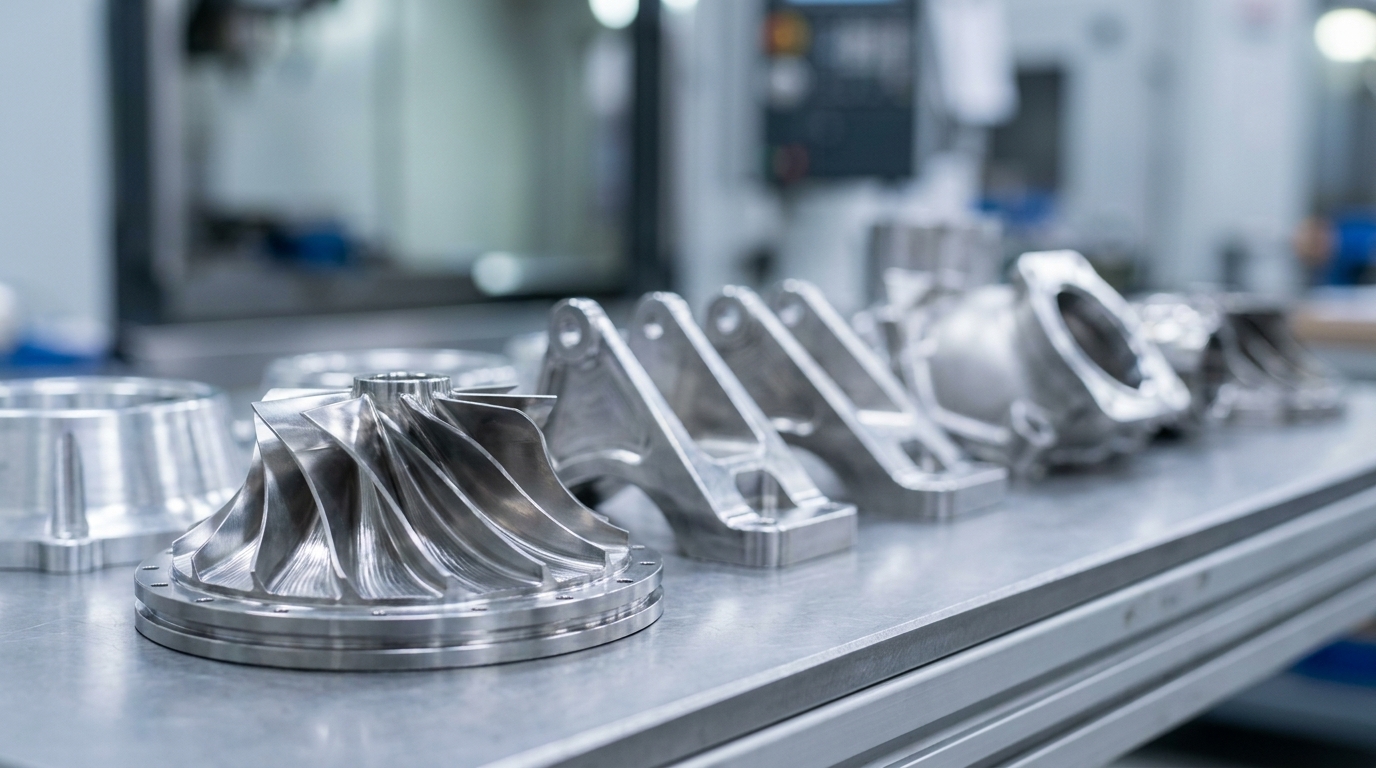
- Aerospace tight tolerance CNC machining holds tolerances near 0.001 inches for turbine parts, actuators and other critical components under AS9100 and AS9102.
- Multi-axis CNC machines, Swiss-type turning and 5-axis milling with CAD/CAM simulation maintain precision on complex geometries while reducing human error.
- Challenging materials such as titanium and Inconel require strict thermal control and specialized tooling to prevent distortion and maintain dimensional accuracy.
- Best practices such as design-for-manufacturability reviews, in-process inspection and full traceability support consistent, compliant results from UAVs to satellites.
- Precision Advanced Manufacturing provides AS9100D-certified, ITAR-compliant tight tolerance CNC that keeps aerospace programs on schedule and within specification.
1. Tight Tolerance Requirements in Aerospace CNC Machining
Tight tolerances in aerospace CNC machining typically fall near 0.001 inches. High-precision CNC machining for aerospace achieves tight tolerances for turbine engine parts, actuators, housings and fuel system components. Standards such as AS9100 and AS9102 define quality management and first article inspection requirements that support this precision.
The mission-critical nature of aerospace components drives these tight limits. Aerospace tolerances often reach levels where small deviations can cause vibration, efficiency loss or fatigue cracks years after delivery. This precision level supports commercial aviation, defense systems and space programs.
Zero variation does not exist in machining. Every process has inherent variation, so excellence comes from consistent, repeatable results within specified limits.
2. CNC Platforms and Digital Technologies That Hold Tight Tolerances
CNC machines that support tight aerospace tolerances rely on multi-axis motion control and stable feedback systems. Multi-axis and 5-axis milling reduce setups, limit human error and improve geometric accuracy across intricate surfaces. These capabilities support tight dimensional control on complex parts.
Modern aerospace CNC operations integrate CAD/CAM programming with simulation. This digital approach predicts machining behavior before cutting begins and reduces trial-and-error on the shop floor.
These simulation tools support different machine types based on component needs. Swiss-type turning centers produce small, complex components with high accuracy, while 5-axis machining centers handle larger structural parts with demanding geometries. Temperature control systems and in-process inspection maintain dimensional stability throughout machining.
Different machine platforms address specific precision challenges. Multi-axis milling supports complex components with intersecting features. Swiss-type turning centers excel at miniature parts where size constraints demand tight control. For larger structures, 5-axis centers provide geometric flexibility for complex surfaces. Across all platforms, temperature controls protect dimensional stability.
3. Material Challenges in Tight Tolerance Aerospace CNC
Aerospace tight tolerance machining often involves advanced alloys with difficult cutting behavior. Titanium and Inconel superalloys create challenges in tight tolerance CNC machining because of poor machinability, high thermal sensitivity and rapid tool wear that can cause part distortion without precise control of cutting parameters.
Ti-6Al-4V (Titanium Grade 5) has difficult machinability because low thermal conductivity concentrates heat at the tool edge, which accelerates tool wear and limits cutting speeds. Inconel 718 presents very difficult machinability because of work hardening, slow machining speeds, poor heat dissipation and strength retention at high temperatures.
Tight tolerance machining of these alloys depends on specialized techniques. Controlled coolant delivery, optimized tool geometries and precise thermal management help maintain dimensional control. Residual stresses in high-strength materials such as titanium alloys and Inconel can cause part distortion during CNC material removal, which makes tight tolerances harder to maintain and increases scrap risk.
Consistent application of these techniques across production runs requires advanced equipment and deep material knowledge. Precision Advanced Manufacturing applies expertise in exotic materials and thermal control to deliver stable results. The team machines these aerospace alloys with full material traceability and documentation.
4. Step-by-Step Techniques for Tight Tolerance CNC Success
Tight tolerance CNC techniques for aerospace follow a structured workflow that reduces variation and improves repeatability. The most effective approach includes these steps.
1. Design-for-Manufacturability Review
Engineering analysis identifies tolerance stack-up risks and manufacturing constraints before production. Early collaboration prevents costly redesigns and delays.
2. CAD/CAM Programming with Simulation
Advanced programming defines efficient tool paths and uses virtual machining to predict dimensional issues. Simulation reduces setup iterations and protects critical features.
3. In-Process Inspection and Probing
Real-time measurement during machining supports immediate corrections. On-machine probing prevents out-of-specification parts from moving downstream.
4. Temperature and Thermal Control
Controlled machining environments and thermal management limit dimensional drift during cutting. Stable temperatures protect both the machine structure and the workpiece.
5. Multi-Axis Setup Optimization
Strategic fixture design and workholding capture as many features as possible in each setup. This approach uses the full geometric capability of multi-axis platforms.
6. Final Metrology and Traceability
Comprehensive inspection with full documentation confirms compliance with aerospace quality standards. Traceability records link each part to material, process and inspection data.
7. Finishing and Deburring
Controlled finishing methods protect dimensional integrity while meeting surface requirements. Consistent deburring prevents edge damage and maintains fit and function.
These techniques support cost-effective aerospace production while maintaining precision for critical components.
5. Tight Tolerance CNC in Real Aerospace Programs
Tight tolerance aerospace machining supports systems where precision directly affects safety and performance. Turbine engine components require accurate clearances to maintain efficiency and prevent failure during operation. UAV structural components depend on lightweight precision that supports flight performance and structural strength.
Satellite and space vehicle components operate in extreme environments that magnify the impact of dimensional variation. Fuel system components must hold precise tolerances to control flow characteristics and prevent leakage in pressurized systems.
CNC tight tolerance aerospace manufacturing also supports landing gear components, flight control actuators and avionics housings. Mechanical precision in these parts enables reliable operation throughout the aircraft service life. Each application demands tailored material choices, machining strategies and quality verification plans.
Precision Advanced Manufacturing has delivered components across these applications while maintaining tight tolerance requirements. Each program receives full traceability and compliance documentation that aligns with aerospace expectations.
6. Precision Advanced Manufacturing as an Aerospace CNC Partner
Precision Advanced Manufacturing addresses common problems that affect aerospace programs that rely on inconsistent suppliers. Integrated multi-axis CNC capabilities, precision fabrication and engineering support work together to deliver repeatable results. These strengths help programs stay on schedule and within specification.
Procurement teams receive dependable supply and on-time delivery backed by aerospace and defense experience. Rigorous quality control and tight-tolerance machining reduce rework, scrap and costly rush orders.
These procurement gains support stronger program execution. Program managers receive components that meet defined specifications, and stringent inspection and validation processes prevent downstream delays. Fully finished, ready-to-integrate components remove secondary work and shorten assembly timelines.
Quality engineers gain confidence through AS9100D certification, which builds on ISO 9001 with added requirements for product safety, risk management, configuration control and counterfeit-part prevention in aerospace manufacturing. ITAR compliance further supports proper handling of defense-related components. Certified quality processes and expertise in complex materials support reliable performance in critical systems.
Request a quote to see how certified aerospace tight tolerance CNC manufacturing supports program success.
7. 2026 Trends Shaping Aerospace Tight Tolerance CNC
The aerospace manufacturing landscape continues to evolve and affects tight tolerance CNC operations. More aerospace OEMs shift critical parts to certified U.S.-based partners to reduce geopolitical and logistics risk, which reflects a move toward resilient domestic supply chains.
Advanced manufacturing technologies expand precision capabilities. Digital twin and simulation-driven CNC use virtual models to predict machining behavior, tool wear and distortion before cutting. In-process inspection and closed-loop control with machine-integrated probing and laser metrology enable real-time toolpath adjustments for high accuracy.
Compliance expectations continue to increase as regulators and OEMs refine requirements. Precision Advanced Manufacturing maintains certified operations and advanced capabilities that align with these trends. Clients gain access to current technology while maintaining compliance with evolving aerospace standards.
Frequently Asked Questions
What certifications ensure aerospace compliance for tight tolerance CNC machining?
Aerospace tight tolerance CNC machining relies on AS9100D certification, which builds on ISO 9001 with added requirements for product safety, risk management and configuration control. ITAR registration supports defense and space-related components, and AS9102 first article inspection verifies that manufacturing processes can consistently meet design requirements before full production release.
How does Precision Advanced Manufacturing handle scalability from prototype to production?
Precision Advanced Manufacturing uses a scalable production platform that supports smooth transitions from prototype development to sustained, multi-shift manufacturing without loss of quality. The same certified processes and quality standards apply across all phases, which maintains consistency from single prototypes through high-volume runs.
Can Precision Advanced Manufacturing manage complex geometries and exotic materials in aerospace applications?
Multi-axis CNC capabilities and experience with advanced materials support complex aerospace geometries and exotic alloys such as titanium and Inconel superalloys. Specialized methods for thermal management and tool control help deliver consistent results with difficult-to-machine materials.
What quality control measures support consistent tight tolerance results?
The quality control approach includes in-process inspection, real-time measurement during machining, comprehensive final metrology and complete documentation with full material traceability. Every component runs under an AS9100D certified quality management system with defined checkpoints throughout manufacturing.
How does Precision Advanced Manufacturing prevent rework and program delays?
Rigorous design-for-manufacturability reviews, advanced CAD/CAM programming with simulation, controlled machining environments and proven processes reduce rework and delays. Integrated capabilities limit handoffs between multiple suppliers that often create quality and timing problems.
Conclusion: Building Reliable Aerospace Programs with Tight Tolerance CNC
Aerospace tight tolerance CNC machining demands precision, reliability and compliance that certified suppliers deliver consistently. The 2026 aerospace landscape emphasizes domestic sourcing, advanced digital technologies and stringent quality expectations, so supplier selection plays a central role in program success.
Precision Advanced Manufacturing combines certified expertise, integrated capabilities and a proven record. These strengths support demanding requirements while keeping programs on schedule and within specification.
Request a quote today to partner with an aerospace tight tolerance CNC provider that delivers consistent, mission-critical precision.